I audited my Zigbee network. Half of it was gone.
Disclosure: No brand sent me any of this gear, and there are no affiliate links in this post. How I review
Short version: I pulled the numbers on my Zigbee network in Home Assistant. Fifteen devices: one coordinator and fourteen battery sensors. Seven of the fourteen were offline. And there isn’t a single router in the mesh, which is almost certainly the real problem.
What’s on the network
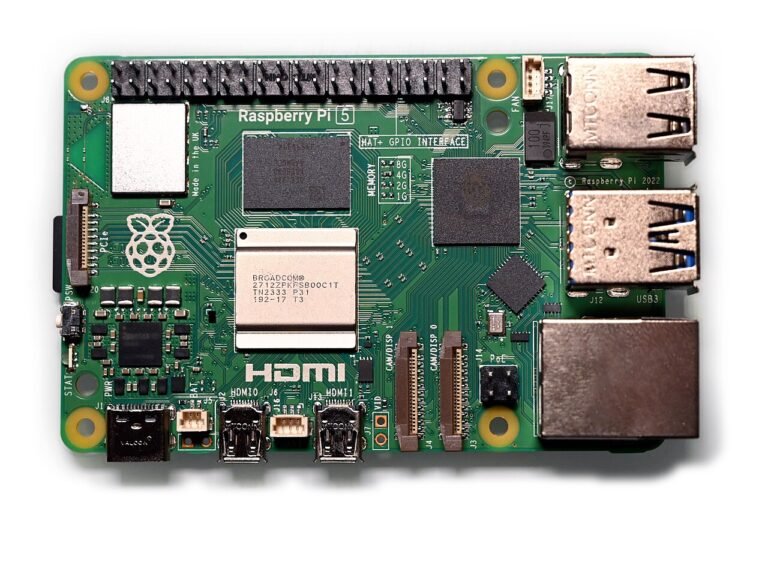
- Coordinator: a SONOFF Zigbee 3.0 USB Dongle Plus, the ZBDongle-P (TI CC2652P), on a Raspberry Pi 5 running Home Assistant OS, using ZHA.
- Third Reality: 4 motion sensors (3RMS16BZ; here’s my Third Reality motion sensor review) and 3 temperature/humidity sensors (3RTHS0224Z).
- Aqara: 3 water leak sensors, 3 door/window contact sensors, and 1 presence sensor (lumi.motion.ac02).
- Routers: none. Every device is battery-powered and talks straight to the coordinator.
What I found
| Device | Status | Notes |
|---|---|---|
| Motion sensors (4) | 1 online, 3 offline | Two had reported nothing in months. The bedroom one was active until Oct 20, after its battery fell from 97% to about 50% in two months. |
| Temp/humidity (3) | 2 online, 1 offline | The offline one last reported 100% battery. Not a battery problem. |
| Leak sensors (3) | 1 online, 2 offline | The water heater and washing machine sensors were both offline. |
| Door contacts (3) | 2 online, 1 offline | The workshop exterior door was offline. |
| Presence sensor (1) | Online |
The devices still online weren’t exactly thriving either: link quality ranged from 24 to 114 out of 255. The worst were the kitchen leak sensor and the workshop thermometer.
Here’s the uncomfortable part: I hadn’t noticed. Not one of them, including the two leak sensors.
Why it happens
Zigbee is a mesh, but only mains-powered devices (smart plugs, wired switches, most bulbs) act as routers. Battery sensors sleep to save power and never relay for anyone else. A network made entirely of battery sensors isn’t a mesh at all: every sensor has to reach the coordinator directly, through walls, from the far end of the house and out to the workshop. Sensors at the edge of that range drop off, and some never come back on their own.
The two leak sensors are the ones that matter most. A leak sensor that’s been offline for weeks is worse than none, because it looks like protection.
The fix (in progress)
- Add routers. A few Zigbee smart plugs spread between the coordinator and the far rooms, especially toward the laundry room and the workshop.
- Get the coordinator off the Pi’s USB port with an extension cable, away from USB 3 and Wi-Fi noise, or move to a network (PoE) coordinator that can sit centrally in the house.
- Re-pair and replace batteries on the dead sensors once the mesh can actually reach them.
- Set up an alert so Home Assistant tells me when a sensor goes unavailable, instead of me finding out months later.
I’ll update this post with before-and-after numbers once the fixes are in.