Home Assistant 2026.11: why everyone is excited about the Marketplace, and what’s next
Disclosure: Nobody paid for this post or sent me anything for it. There are no affiliate links in this post. How I review
Short version: Home Assistant 2026.11 is the release people are actually excited about. HACS stops being a thing you bolt on and becomes the built-in Home Assistant Marketplace. ZHA gets real group devices. Zigbee Green Power shows up. And it lands right as the project is posting its biggest growth numbers yet and adding new hardware partners almost every month. The beta came out October 28, and stable is expected around November 4.
Here’s what’s in it, why the hype is bigger than one update, and where I think the excitement is getting a little ahead of the facts.
What’s in Home Assistant 2026.11
These come from the 2026.11 beta release notes, as summarized by the sources at the bottom of this post. Beta means things can still change before stable, so treat this as the plan, not the promise:
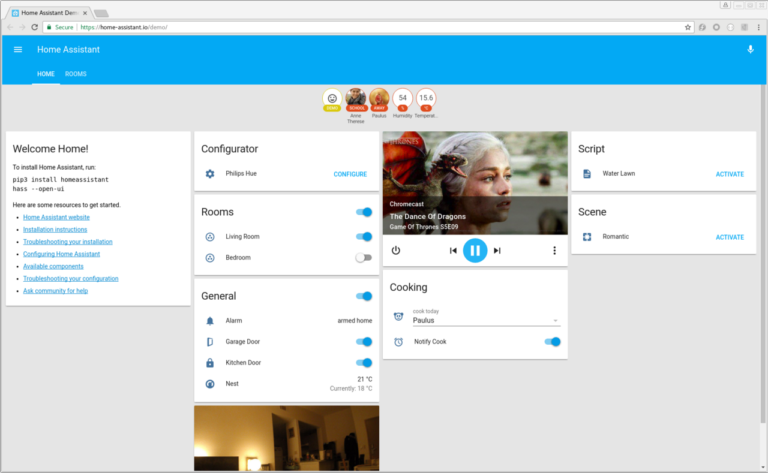
- Home Assistant Marketplace: HACS moves into core. It lives under Settings, your existing HACS stuff migrates automatically, and installing an integration no longer needs a restart.
- Exclude targets: automations and scripts can now skip specific entities, devices, areas, floors or labels inside a bigger target. “Every light downstairs except the garage” without a workaround.
- New entity names: names combine the device and the entity, like “Thermostat Temperature.” Entity IDs don’t change.
- ZHA groups become their own devices, and Zigbee Green Power support arrives for batteryless switches.
- Better debugging: a “Triggered by” activity filter, links between script traces, and live logs per integration.
- Everything else: dashboard sections that fill themselves as you add devices, Matter 1.5 cameras, LoRaWAN support, and 38 new integrations.
The big one: HACS becomes the Home Assistant Marketplace
If youve run Home Assistant for any length of time, you know HACS. It’s the community store for custom integrations, dashboard cards and themes- the stuff that doesn’t ship in the box. It was also always a separate install you had to go find, which is a weird first chore for a new user.
That ends with 2026.11. HACS was donated to the Open Home Foundation by its creator, and Home Assistant lead Franck Nijhof (Frenck) wrote on his blog that he knew from that point it “had to be built into Home Assistant.” Now it is. Integration pages show install counts and stars, so you can tell the popular stuff from the abandoned stuff at a glance.
Two things worth knowing before you get excited about the word “Marketplace”:
- It’s still free. Frenck was direct about it: “nothing costs money, and nothing is going to start costing money because of this change.”
- It’s still community code. The Marketplace documentation says nothing in it is “tested, audited, or supported by the Home Assistant project,” and you get a warning the first time you open it. Built in doesn’t mean vetted.
I use HACS because of the robust options the enthusiastic community puts out. That’s why this one matters to me: the community stuff is a big part of what makes Home Assistant good, and now it’s built in.
The Zigbee changes in 2026.11, which is where I live
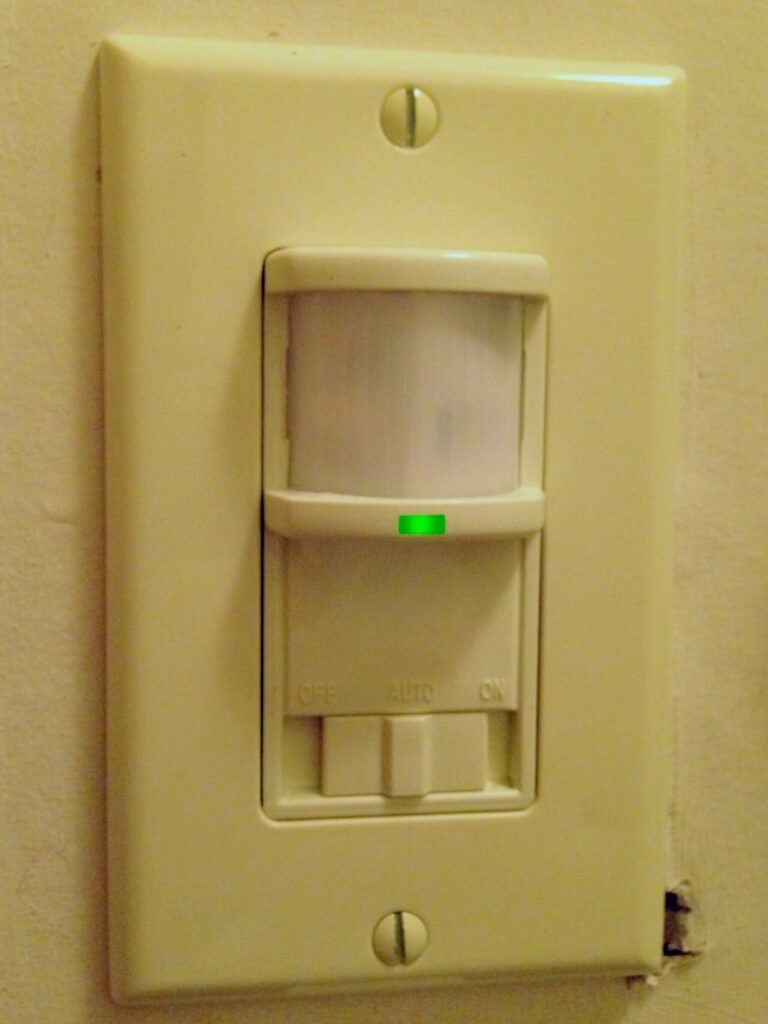
My whole Zigbee network runs on ZHA through a SONOFF ZBDongle-P, including my Third Reality motion sensors. So the ZHA bits of this release matter more to me than anything flashy.
ZHA group entities are moving to their own group devices. In plain terms: a Zigbee group stops being a floating entity and becomes something you can put in an area like any other device. If you have automations pointed at old ZHA groups, check them after you update.
Zigbee Green Power is the quieter win. Green Power is how batteryless switches talk- the kind that power themselves off the energy of the button press. No batteries to replace is a REALLY good pitch for anyone who has ever hunted down a dead sensor.
Speaking of which, when I audited my Zigbee network, half of it was gone. Anything that makes Zigbee in Home Assistant less of a babysitting job has my attention.
Why the Home Assistant hype is bigger than one release
2026.11 would be a good update in any year. The reason it feels like a moment is the growth behind it.
The Open Home Foundation’s 2025 annual report says Home Assistant grew 28 percent year over year to more than 2 million active installations worldwide. That’s an estimate, and it’s an honest one: the public analytics page counts only the people who opt in, which is about 714,000 installs as I write this, and Home Assistant says fewer than a quarter of users opt in at all.
More than two million installs of a free, local, open source smart home platform. That’s not a hobby corner anymore.
The money side is set up so it can last, too. Nabu Casa says most of the profit from its cloud subscriptions now funds the foundation, and it’s renaming Home Assistant Cloud to Home Assistant Link, with the change planned for the 2026.12 release. Their reasoning is that “Home Assistant should always be run locally, in your home,” and the old name made people think the cloud was the point. It isn’t. I use it for the speech side of my Voice Preview Edition pucks.
Home Assistant partnerships: what’s announced vs what people hope for
This is the part Im most excited about, so Im going to be careful with it.
What’s actually announced. Works with Home Assistant is the program where brands certify that their gear works locally with Home Assistant, without the cloud, and keeps working long term. According to the foundation’s annual report it grew from 7 to 19 partners in 2025. It’s kept going in 2026. Home Assistant’s blog has announced Heiman, ubisys, BEGA, Sensereo and IoTorero this year, and October alone brought two:
- LEDVANCE, the lighting company that still sells under the OSRAM name, certified 116 OSRAM SMART+ devices running Matter over Wi-Fi. No hub needed.
- Everything Smart Home, the family business run by a long-time community member, certified its Everything Presence sensors, which run ESPHome locally.
On the hardware side, the foundation added Apollo Automation as its second commercial partner at the end of 2025, next to Nabu Casa. Home Assistant also picked up official Matter certification.
What people are hoping for. The thing a lot of people want is a big-name partner- the kind of brand that would put Home Assistant on a shelf at a big box store. To be clear, nothing like that has been announced. The partners so far are lighting, sensor and component makers, and an OSRAM-branded line with 116 devices is the biggest of them.
What has been floated is more interesting to me anyway. Frenck said “what a marketplace for Home Assistant could become is still wide open,” and he tossed out the idea of core integrations moving into the Marketplace so they could update on their own schedule instead of waiting for a monthly release. He was clear those are ideas, not plans. Still, picture a brand shipping a fix for its integration the day it’s ready. That’s the kind of thing that makes a manufacturer want to show up.
The foundation has also said it plans to publish its development roadmap on GitHub and launch a device database in 2026, built from anonymous data users opt in to share. So the honest version is this: steady, real partner growth, a store that could become a front door for brands, and a lot of hope about who walks through it.
Before you update to 2026.11
Hype is fun. A broken dashboard on a Tuesday night is not. A few things from the beta notes worth checking first:
- Take a full backup. The HACS to Marketplace migration has no documented downgrade path.
- Templates using friendly_name should move to the new entity_name(), device_name() or area_name() helpers because of the naming change. Custom cards may need updates too.
- YAML dashboard resources that point at HACS paths, and templates that look for the hacs integration, need updating.
- Z-Wave users need zwave-js-server 3.11.0 or newer.
- Check the full breaking changes list for your own integrations. There’s a long one this month, including Tuya, Matter, MQTT and Hue changes.
Or just wait a week for the first patch release. Nobodys handing out medals for updating on day one.
My take on Home Assistant 2026.11
Change can be good, so lets hope we land on the good side. We could all use more good.
Here’s why I’m hopeful. Home Assistant is growing like crazy, the partner list keeps getting longer, and this release makes the best parts of the community a click away for everyone instead of a weekend project. That’s how a platform for tinkerers turns into a platform for everybody.
Are you updating on day one or waiting for the patch? And what brand would you most want to see join Works with Home Assistant? If you’ve got a pick, I’m all ears.
-Randall
Sources
- Home Assistant 2026.11 beta release notes
- Smart Home Assistant: 2026.11 beta summary and Marketplace explainer
- Frenck: HACS is now the Home Assistant Marketplace
- Open Home Foundation Annual Report 2025
- Home Assistant analytics
- Home Assistant blog: Cloud is becoming Link
- LEDVANCE joins Works with Home Assistant and Everything Smart Home joins Works with Home Assistant